

Summer 'Mallow Madness
S'mores are all American

When I was a kid, there were sweets things I was passionate for: my grandmother’s chocolate chip cookies (and plebian chocolate chips by the handful, nothing fancy), miniature Milky Way candy bars at Halloween, watermelon-flavored hard candies and sour apple candy sticks. Small solid chocolate Easter eggs were pretty good, but not so much the large chocolate-dipped marshmallow eggs the Easter bunny served up as my sibs and I got older and the bunny got tired of filling overflowing baskets. We weren’t a camping family, so the mysterious transformation of marshmallows from firm white pillows to charred, sticky sweet stuff wasn’t even on my radar until I was much older. And even then I regarded the fun of spearing store-bought marshmallows with dirty sticks and poking them into a smoldering fire as marginally entertaining—and just okay on the “gotta do this more often” barometer.
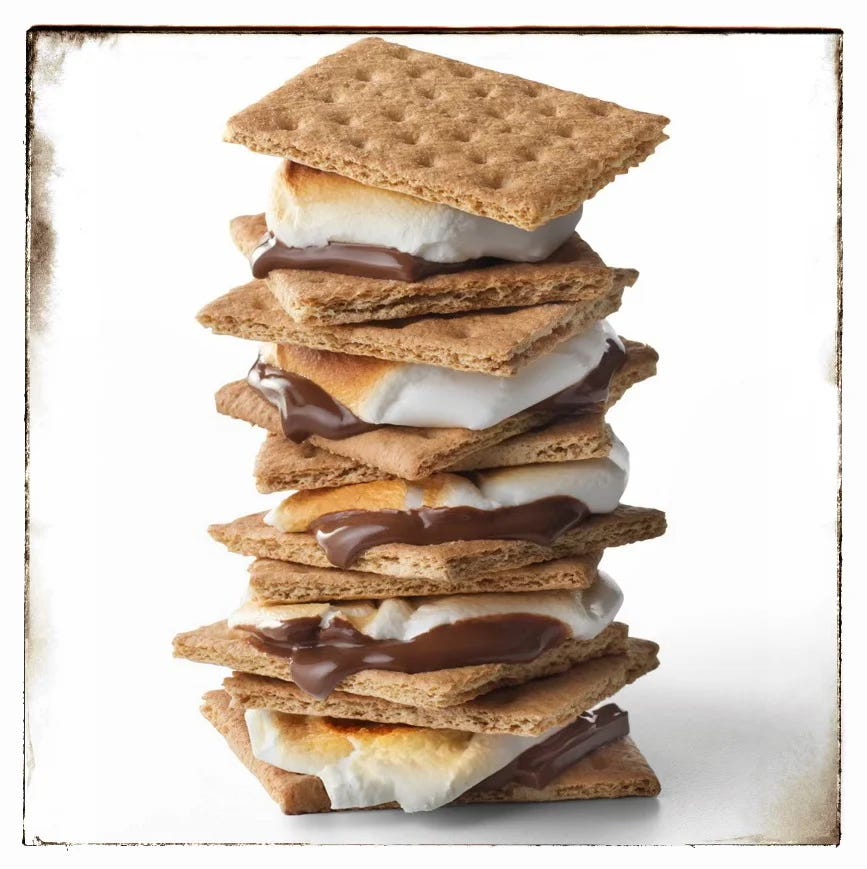
It wasn’t until my own kids appeared on the scene and we’d bought our lakeside log cabin in the northwoods that the allure of marshmallows became apparent. My three boys are as in love with the outdoors as their dad, spending long summer days in the fresh air canoeing, fishing, and communing with bugs, dirt, and anything cooked over open flames. And gooey marshmallows are on the top of the list. So as time marches on, I’ve gotten with the program, graduating from handfuls of cheap chocolate chips to cheap chocolate bars (milk chocolate, no less), melting over molten marshmallows. Squished between the most kid-friendly crackers—so much more than the sum of the parts. There’s no aspect of roasting marshmallows and making s’mores that doesn’t sooth even the most jaded grown-up palate into a child-like trance.
I know that a big part of the American experience of s’mores is the convenience of grabbing a box of crisp honey grahams, a pack of milk chocolate bars, and a plastic bag filled with pillowy marshmallows—the quintessential campfire trio. But what if you played with making one of those elements yourself? Homemade marshmallows are quite a revelation—more defined in flavor, especially if you use a good vanilla extract, not so cloyingly sweet, and more pleasingly dense than the machine-made fluff. You can make your own graham crackers too, but we’ll save that for another summer day (or zip over to https://food52.com/story/10713-homemade-graham-crackers-5-ways-to-eat-them for a tutorial from dessert guru Alice Medrich.)
SHORT & SWEET MARSHMALLOWS
INGREDIENTS
3 tablespoons plain gelatin
2 cups sugar
¾ cup light corn syrup
¼ teaspoon fine sea salt
1-1/2 teaspoons pure vanilla extract
Powdered sugar
DIRECTIONS
Foil-line a 13x9-inch cake pan; lightly oil.
In a standing mixer bowl, soften the gelatin in ½ cup cold water.
Meanwhile, cook sugar, corn syrup, salt & ½ cup water to 240˚F on a candy thermometer.*
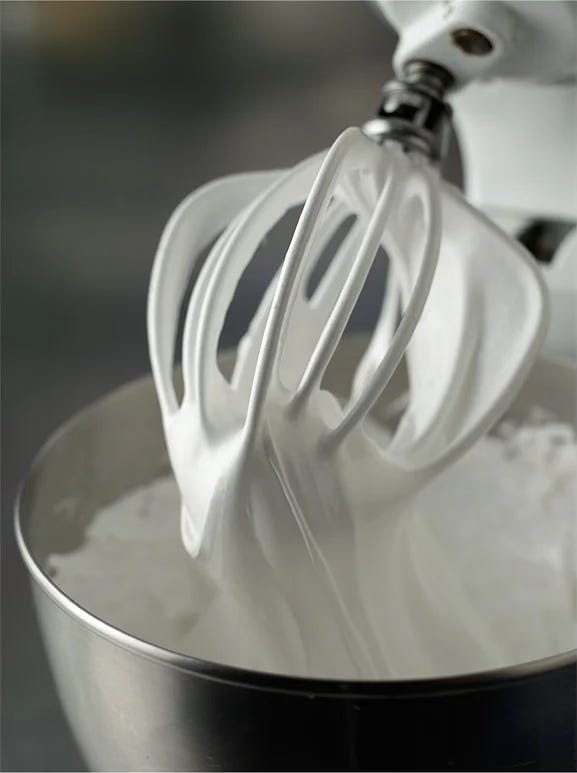
With beaters running, slowly pour the hot syrup into gelatin. Beat @ high speed 15 minutes or until thick and gooey; add the vanilla near the end.
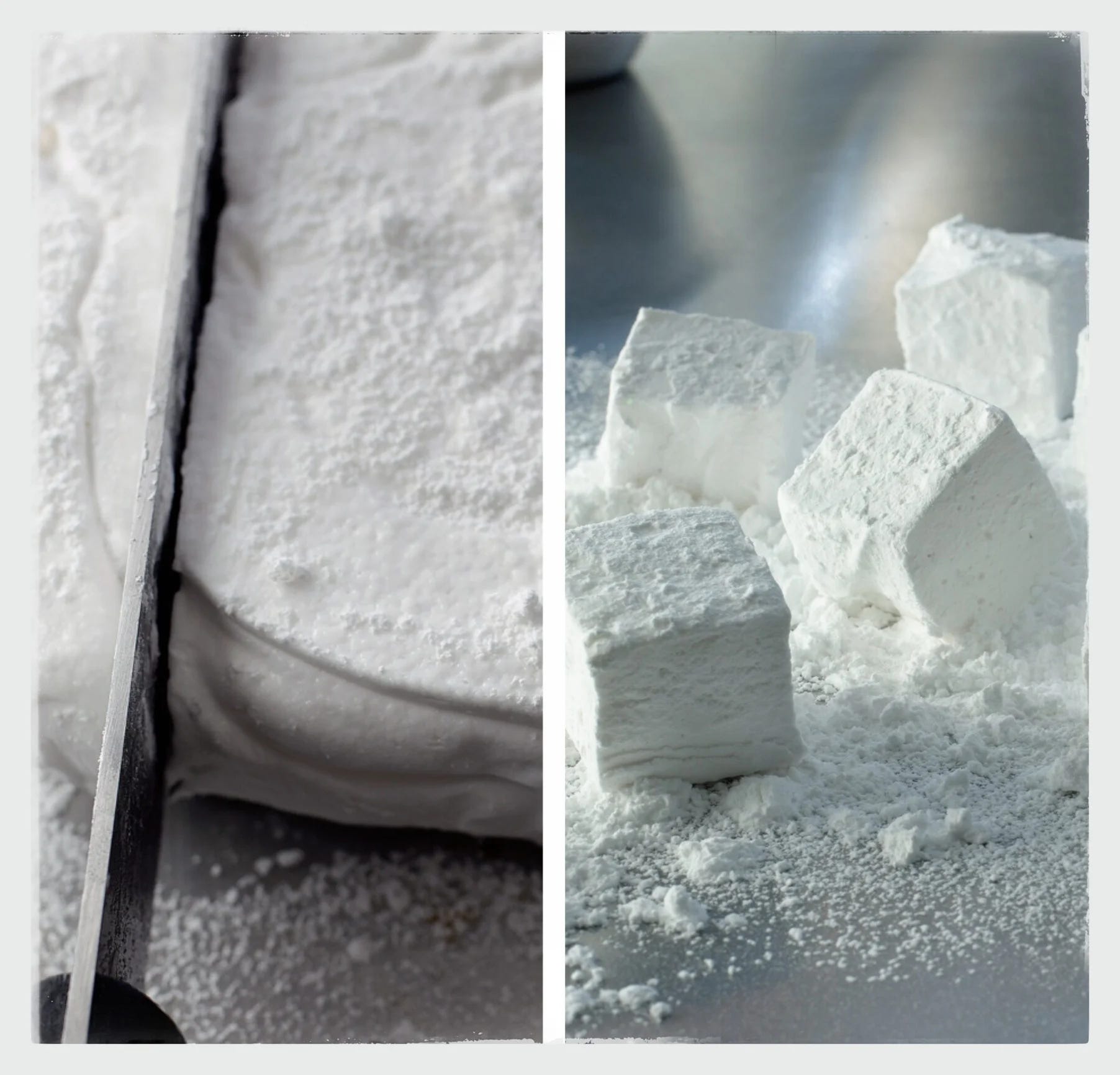
Spread the fluff in the prepared pan. Smooth the top with a spatula. Let stand at room temperature, covered with a piece of waxed paper, for at least 8 hours. Turn the mixture out onto a powder sugared surface. Cut marshmallows into any shape & size you like.
*For the cold-water test, spoon a few drops of the hot sugar mixture into a small cup of very cold (but not icy) water. Using your fingers, form the drops into a ball. Remove the ball from the water; the firmness will indicate the temperature of the syrup mixture. For marshmallows you want the sugar cooked to "soft-ball" stage, so the syrup flattens out over your fingers when you lift it from the cold water.

I have never made my own marshmallows but I have toasted many over our gas cooktop for a tasty treat.
Marshmallows!! Now I know what to do with the Karo leftover from a shoot! But you don’t mention dissolving the gelatin, just softening it. Does it need to be dissolved?